The Endometrial Receptivity Array (ERA) is a specialized genetic test that evaluates gene activity in the uterine lining to identify the period when the endometrium is most receptive to embryo implantation.
ERA (Endometrial Receptivity Array) in Qatar may help identify whether a patient’s individual implantation window differs from the timing typically used in standard IVF protocols. This information can support more personalized embryo transfer planning when appropriate.
ERA may be considered for selected patients who have experienced repeated implantation failure despite the transfer of good-quality embryos. The results can help determine whether embryo transfer timing may be a contributing factor and guide further fertility treatment decisions.
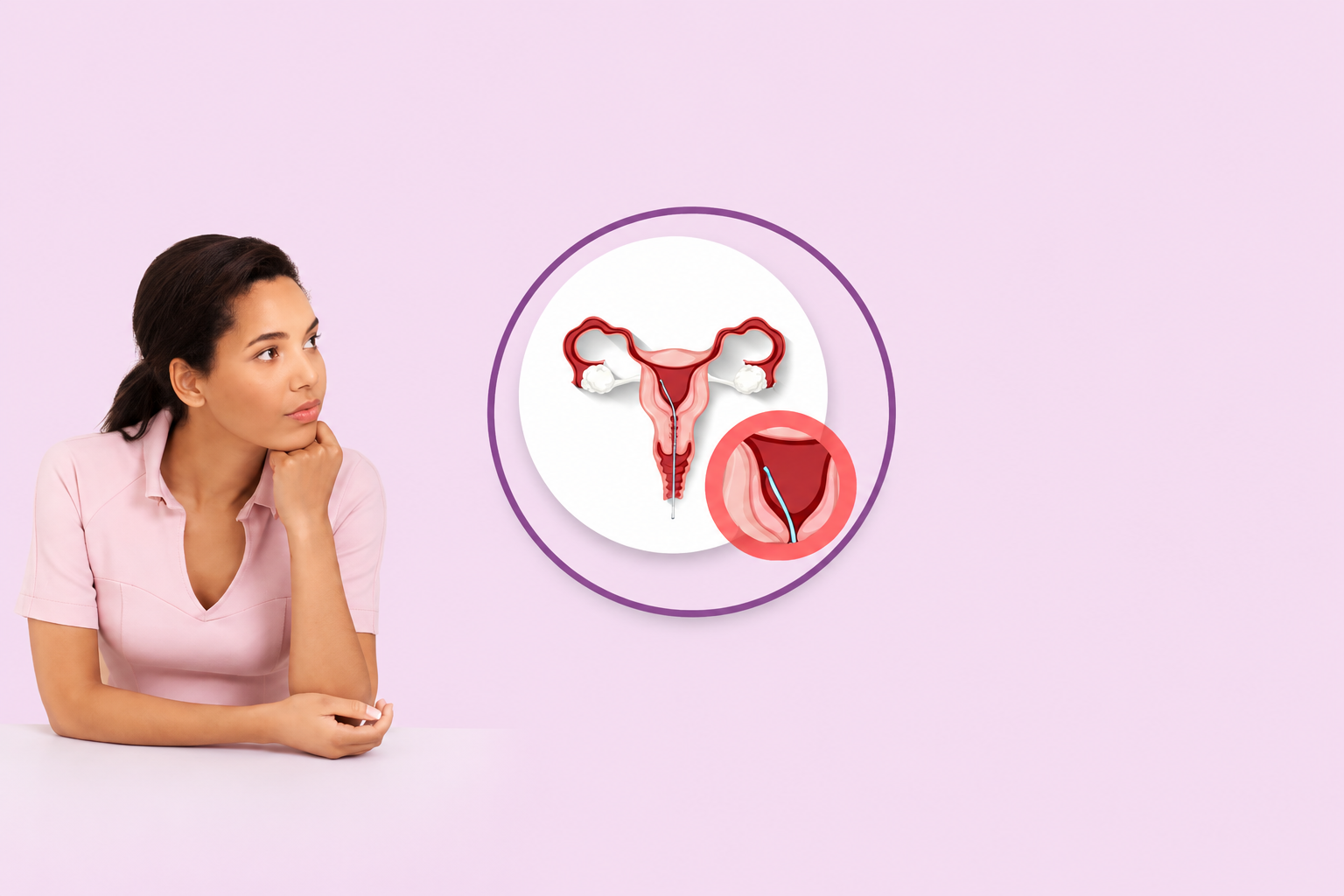
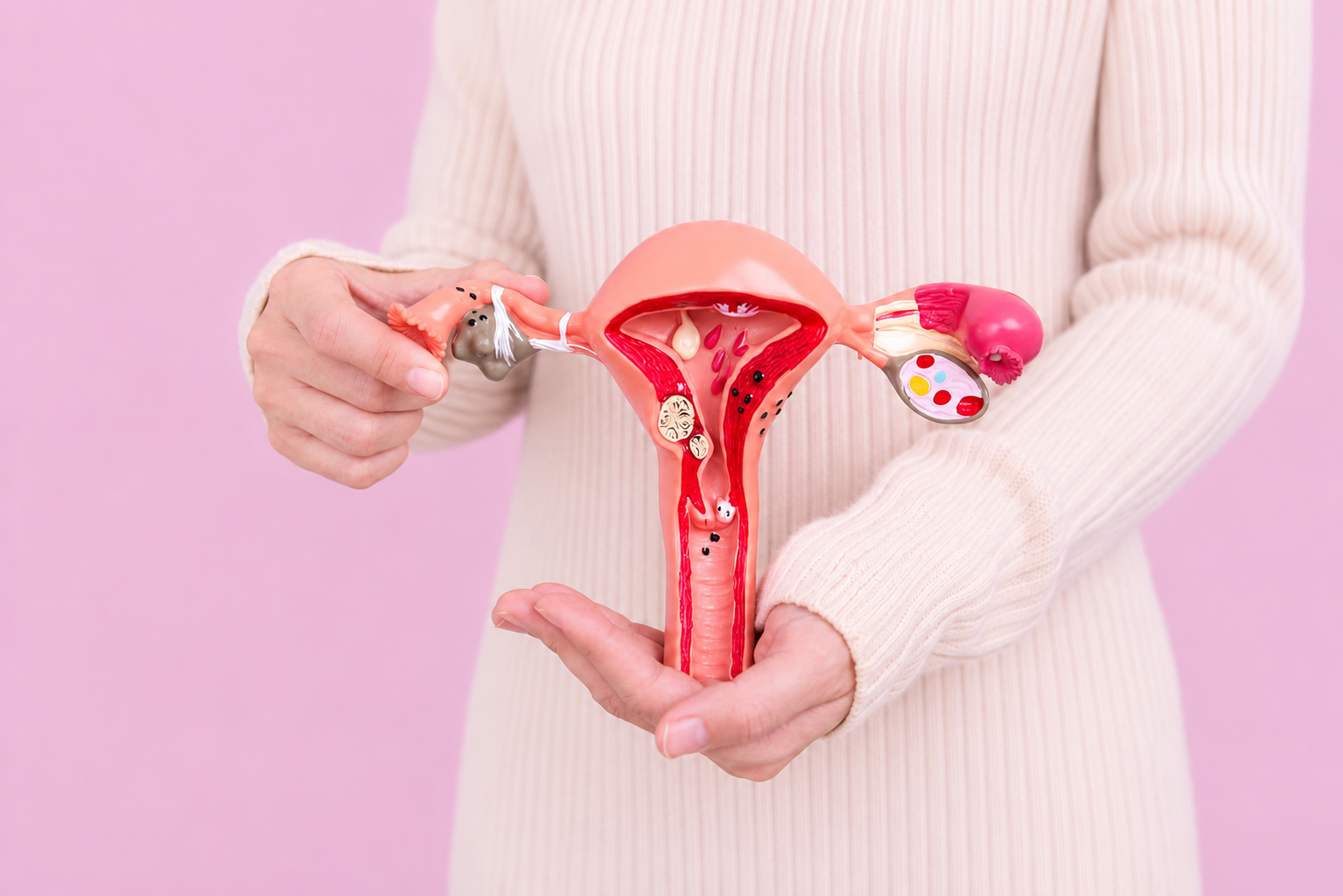
The test involves taking a small tissue sample (biopsy) from the uterine lining during a mock cycle that mimics your planned embryo transfer protocol, without an embryo actually being transferred.
The sample is analysed for the expression of genes associated with endometrial receptivity, classifying your lining as receptive, pre-receptive or post-receptive at the time of biopsy.
If your window is found to be shifted, your next embryo transfer can be timed accordingly — adjusting the hours of progesterone exposure before transfer to align with your personalised window.
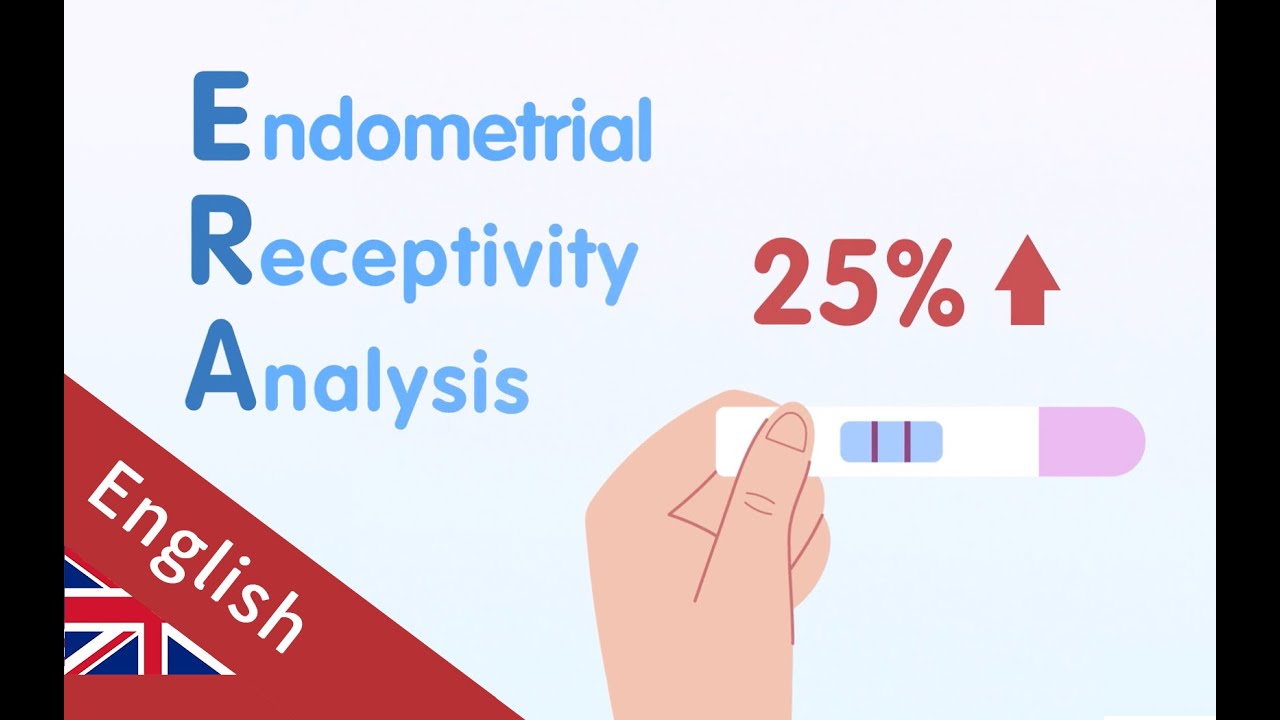
A short explainer on how ERA testing works.
Before recommending testing, Dr. Radhika Pentyala reviews your previous embryo transfer history and embryo quality to determine whether an ERA may be appropriate for your situation.
ERA (Endometrial Receptivity Array) in Qatar involves collecting a small sample of the uterine lining during a mock cycle designed to closely replicate your planned embryo transfer protocol. This helps assess the receptivity of the endometrium under conditions similar to treatment.
Once the results are available, any recommended adjustment to embryo transfer timing can be incorporated into the next IVF cycle. Your treatment continues with appropriate monitoring and support throughout the transfer process.

A one-time test that personalises your transfer timing.
Review of prior transfer history.
A protocol mirroring your transfer cycle.
A small tissue sample is taken.
Results guide your next transfer.
Common questions about ERA testing.
It is generally considered for patients who have had one or more failed embryo transfers with good-quality embryos, where a timing mismatch may be a contributing factor.
Most patients describe it as similar to a pap smear or IUI — brief discomfort or cramping rather than significant pain.
Typically no. Your personalised window is generally considered stable over time, so testing once is usually sufficient for future transfers.
No test can guarantee success, but ERA aims to remove timing as a possible obstacle, alongside the other factors Dr. Radhika Pentyala will assess.
Turnaround depends on the laboratory processing your sample. You will be given an expected timeframe when the test is arranged.
The cost varies depending on the fertility center, laboratory processing, endometrial biopsy, consultation, and medications. Patients should confirm the current package price and included services with the provider.
Book a consultation with Dr. Radhika Pentyala today.
Book a Consultation