Embryo transfer is the procedure that places a selected embryo into the uterus, marking the final step of an IVF cycle. Unlike egg retrieval, it is a quick, generally painless procedure that does not require sedation.
Transfers may take place a few days after retrieval (a fresh transfer) or in a later cycle using a previously frozen embryo (a frozen embryo transfer), depending on your individual treatment plan.
Dr. Radhika Pentyala selects the embryo or embryos for transfer based on quality assessments from the embryology lab, in discussion with you about how many to transfer.
Embryo transfer is the procedure that places a selected embryo into the uterus, marking the final step of an IVF cycle. Unlike egg retrieval, it is a quick, generally painless procedure that does not require sedation.
Transfers may take place a few days after retrieval (a fresh transfer) or in a later cycle using a previously frozen embryo (a frozen embryo transfer), depending on your individual treatment plan.
Embryo Transfers in Qatar are performed with the embryo or embryos selected by Dr. Radhika Pentyala based on quality assessments from the embryology lab, in discussion with you about how many to transfer.


The procedure uses a thin, flexible catheter gently guided through the cervix under ultrasound guidance, placing the embryo in an optimal position within the uterine cavity.
No sedation is typically required, and the procedure itself takes only a few minutes — though you may be asked to rest briefly in clinic afterwards.
Your uterine lining is carefully monitored and prepared with hormonal support before transfer, to give the embryo the best possible environment for implantation.
A short explainer on the embryo transfer procedure.
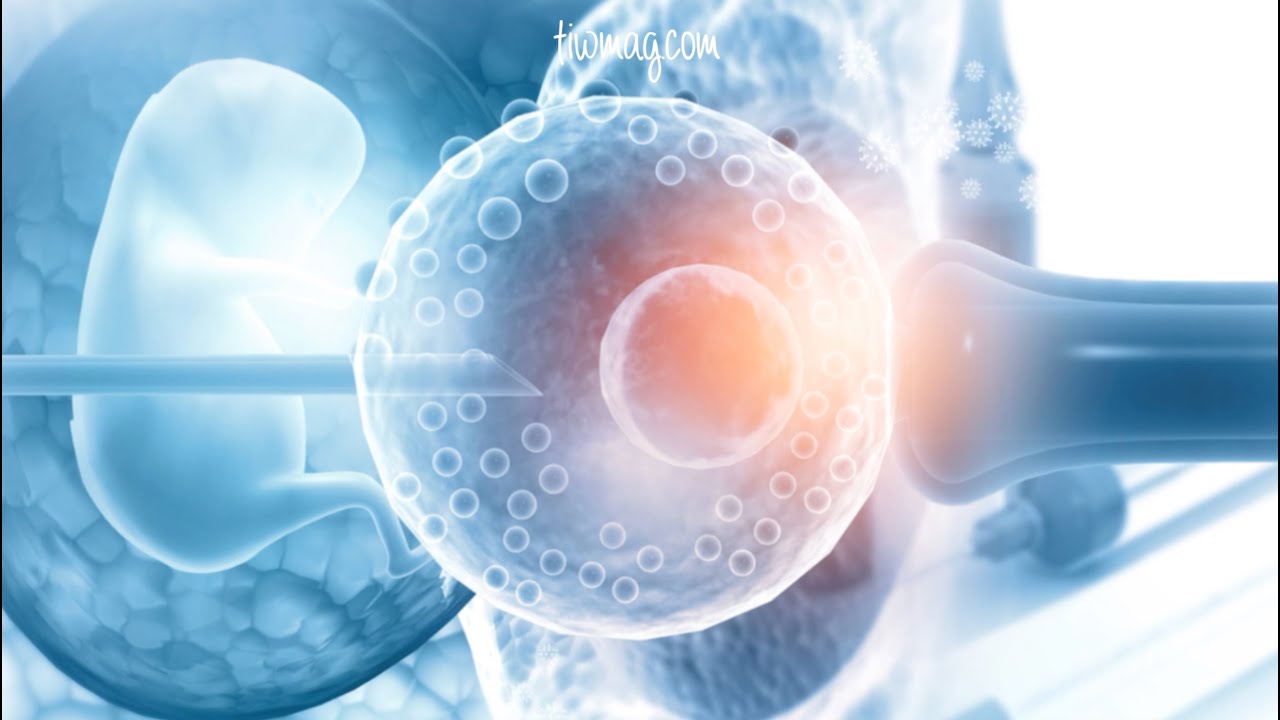
Before transfer, your uterine lining is assessed by ultrasound and supported with hormonal medication to help create the most receptive environment for implantation.
On the day of Embryo Transfers in Qatar, the embryology team confirms the identity and quality of the embryo, which is then loaded into a thin catheter and gently placed into the uterus under ultrasound guidance.
Afterwards you receive clear guidance on medication, activity and next steps, including timing for a pregnancy test roughly ten to fourteen days later.

A quick, ultrasound-guided final step.
Hormonal support and monitoring.
The best-quality embryo identified.
Quick, ultrasound-guided placement.
Pregnancy test and continued support.
Common questions about embryo transfer.
Most patients experience little to no discomfort — it is similar to a routine pelvic exam and does not require sedation.
This depends on embryo quality, your age and your own preference. Dr. Radhika Pentyala will discuss a recommended number that balances the chance of success against the risk of a multiple pregnancy.
A fresh transfer happens a few days after retrieval in the same cycle, while a frozen transfer uses a previously frozen embryo in a later, separately prepared cycle.
Typically around ten to fourteen days after transfer, once the clinic advises — testing earlier can give an inaccurate result.
Most patients can resume normal light activity quickly. Dr. Radhika Pentyala will give specific guidance on medication and activity based on your cycle.
The cost varies depending on the fertility center, type of transfer, consultations, medications, embryo preparation, laboratory services, and follow-up care. Patients should confirm which services are included in the treatment plan.
Book a consultation with Dr. Radhika Pentyala today.
Book a Consultation