Polycystic Ovarian Syndrome (PCOS) is a common hormonal condition that can affect menstrual cycles, ovulation, fertility, and overall metabolic health. Symptoms may include irregular periods, hormonal changes, and difficulty conceiving.
Polycystic Ovarian Syndrome management in Qatar focuses on addressing the individual needs of each patient, including fertility concerns, cycle regulation, insulin resistance, and weight management. Dr. Radhika Pentyala takes a comprehensive approach to help manage both the symptoms and underlying factors associated with PCOS.
Treatment is tailored to your personal goals, whether you want to regulate your menstrual cycle, manage PCOS symptoms, improve fertility, or prepare for pregnancy. Depending on your needs, management may include lifestyle changes, medications, ovulation support, and fertility treatments.


Common symptoms include irregular or absent periods, excess hair growth, acne, weight gain, and difficulty conceiving due to irregular or absent ovulation. Symptoms and severity vary significantly between individuals.
Diagnosis typically combines symptom history, blood tests to assess hormone levels, and an ultrasound to check for the characteristic pattern of small follicles on the ovaries.
PCOS does not mean pregnancy is out of reach — with the right combination of lifestyle guidance, medication to support ovulation and, where needed, assisted reproductive treatment, many women with PCOS go on to conceive.
A short explainer on diagnosis and treatment options.
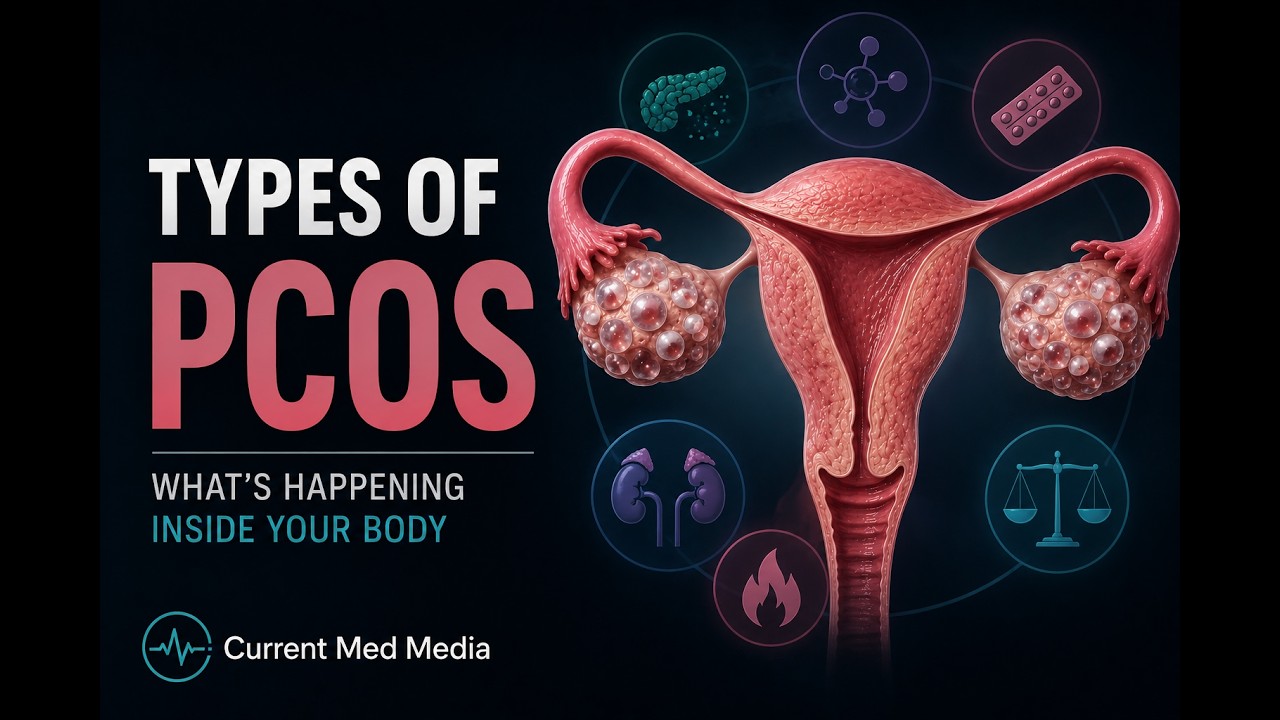
Treatment begins with a comprehensive hormonal and metabolic assessment, as PCOS can affect more than reproductive health. Evaluation may include factors such as insulin resistance, weight-related concerns, menstrual irregularities, and ovulation patterns.
Polycystic Ovarian Syndrome management in Qatar is tailored to patients who are trying to conceive as well as those seeking long-term symptom control. For fertility planning, treatment may include ovulation-inducing medication and lifestyle guidance, with IUI or IVF considered when appropriate.
As PCOS is a long-term condition, ongoing care can help support hormonal, reproductive, and metabolic health. Dr. Radhika Pentyala provides continued guidance based on your symptoms, treatment response, and changing health goals.
Ongoing, personalised management for PCOS.
Symptom and cycle history review.
Blood tests and ultrasound assessment.
Lifestyle, medication or ART guidance.
Long-term hormonal and fertility support.
Common questions about PCOS and fertility.
Yes — many women with PCOS conceive naturally, sometimes with the support of ovulation-inducing medication or lifestyle adjustments that help regulate ovulation.
No. PCOS varies widely between individuals in symptoms and severity, which is why treatment needs to be personalised rather than one-size-fits-all.
For some patients, weight management can help improve hormonal balance and ovulation — though PCOS affects people across all body types and is not caused by weight alone.
Not necessarily. Many women respond well to ovulation-inducing medication or IUI; IVF is generally considered if those approaches have not succeeded.
PCOS is a chronic hormonal condition, but its symptoms and fertility impact can be effectively managed with the right ongoing care.
The cost varies depending on consultation fees, diagnostic tests, medications, follow-up visits, and the individual treatment plan. The healthcare provider can provide an estimated cost after assessment.
Book a consultation with Dr. Radhika Pentyala today.
Book a Consultation