Egg freezing (oocyte cryopreservation) allows you to preserve your eggs at their current quality for future use, giving you more flexibility in your family-building timeline — whether for personal, medical or career reasons.
The process involves ovarian stimulation to develop multiple eggs, followed by a minor retrieval procedure and immediate freezing using vitrification, which protects egg quality during freezing.
Egg freezing is commonly chosen by women wanting to delay childbearing, as well as those facing medical treatment — such as chemotherapy — that could affect future fertility. Dr. Radhika Pentyala provides this at Al Shaheen Medical Center in Duhail, Doha. Oocyte Cryopreservation (Egg freezing) in Qatar
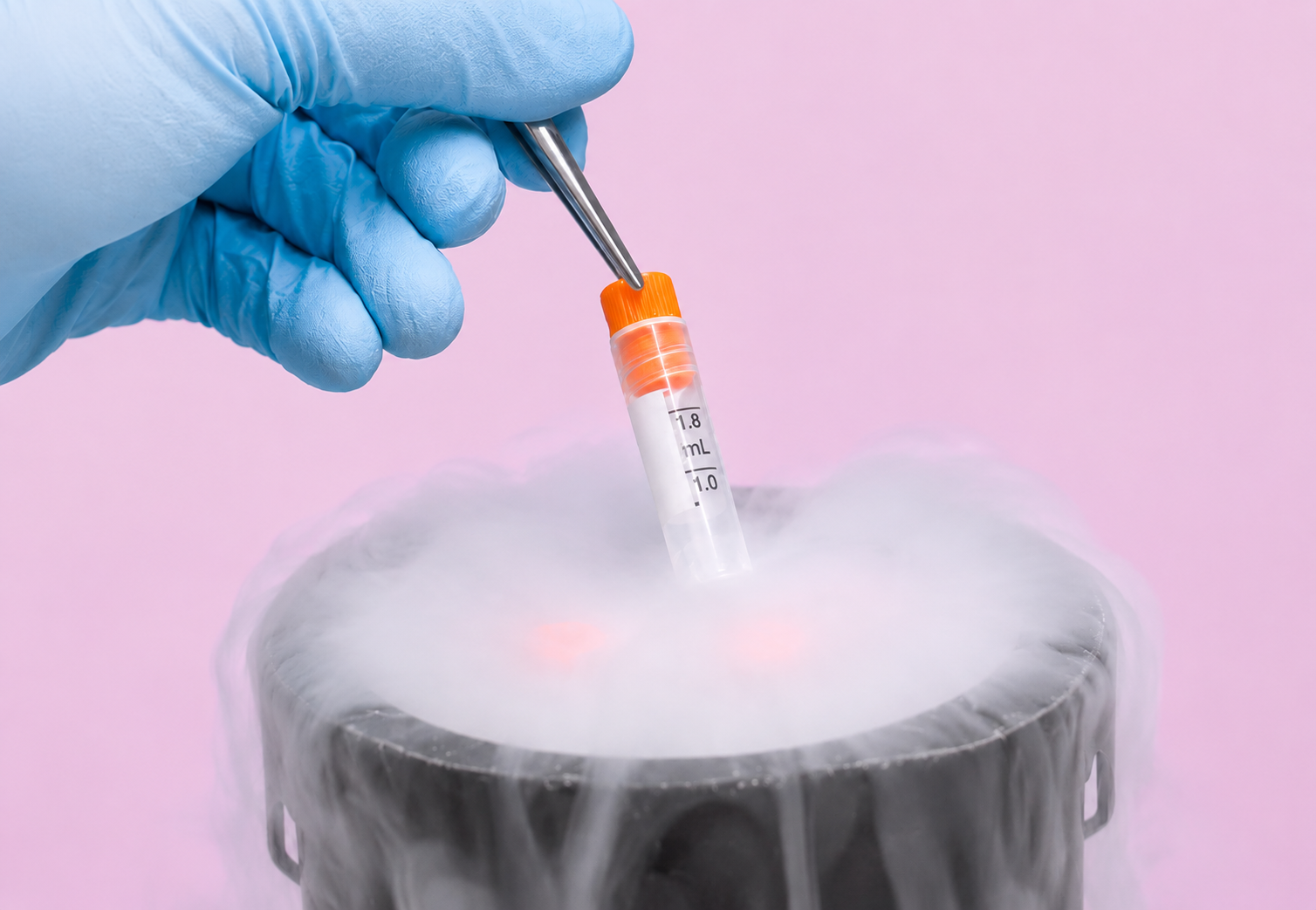
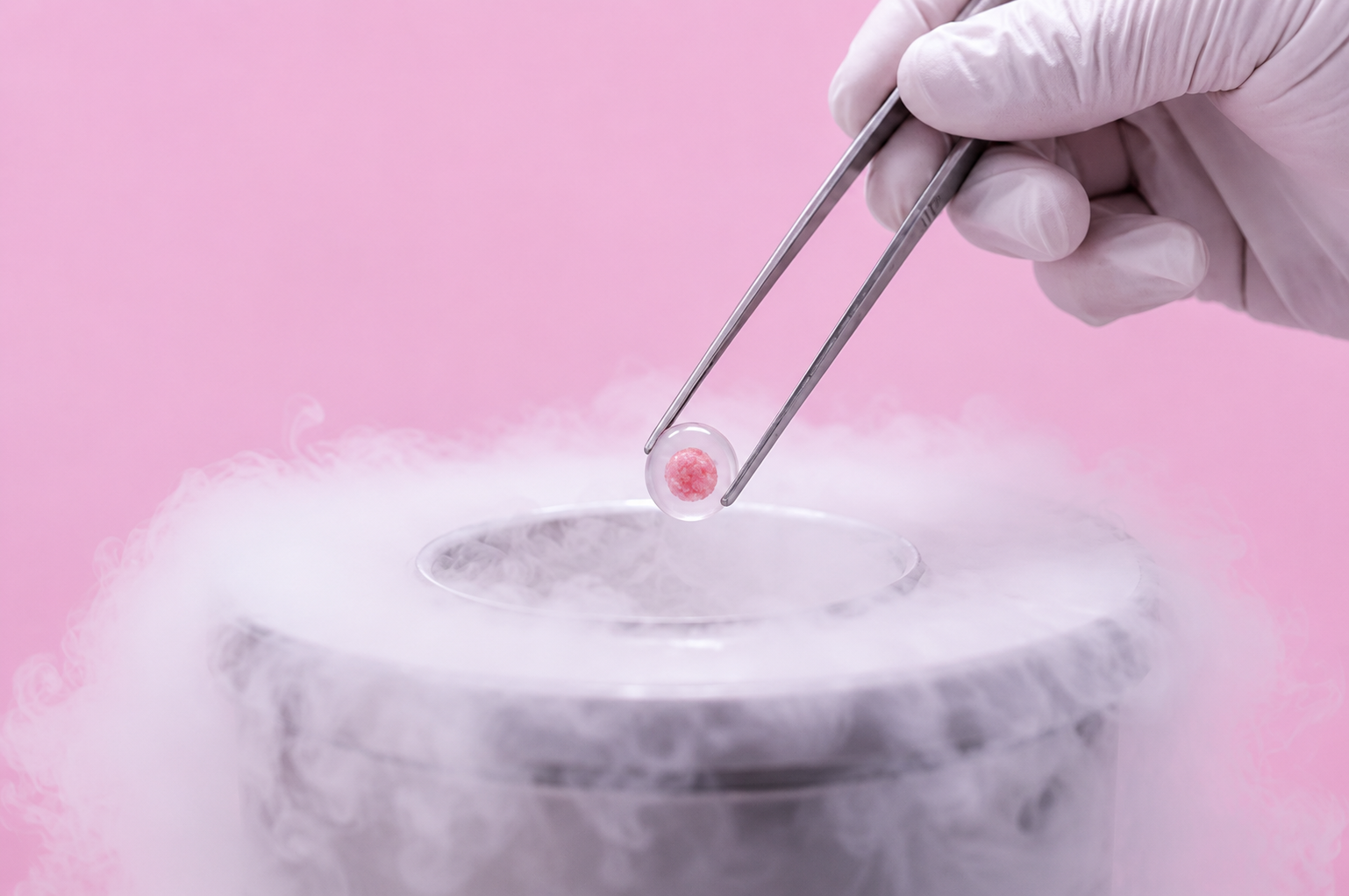
Egg quality and quantity naturally decline with age, particularly after the mid-30s. Freezing eggs at a younger age preserves them at that quality, which can improve future IVF outcomes compared with using eggs retrieved later in life.
Common reasons to consider egg freezing include not yet being ready to have children, not currently having a partner, pursuing career or education goals, or facing a medical diagnosis or treatment that could affect fertility.
Frozen eggs remain viable for many years when stored correctly, and can later be thawed, fertilised via ICSI, and transferred as part of an IVF cycle when you are ready to try for pregnancy.
A short explainer on the egg freezing process.
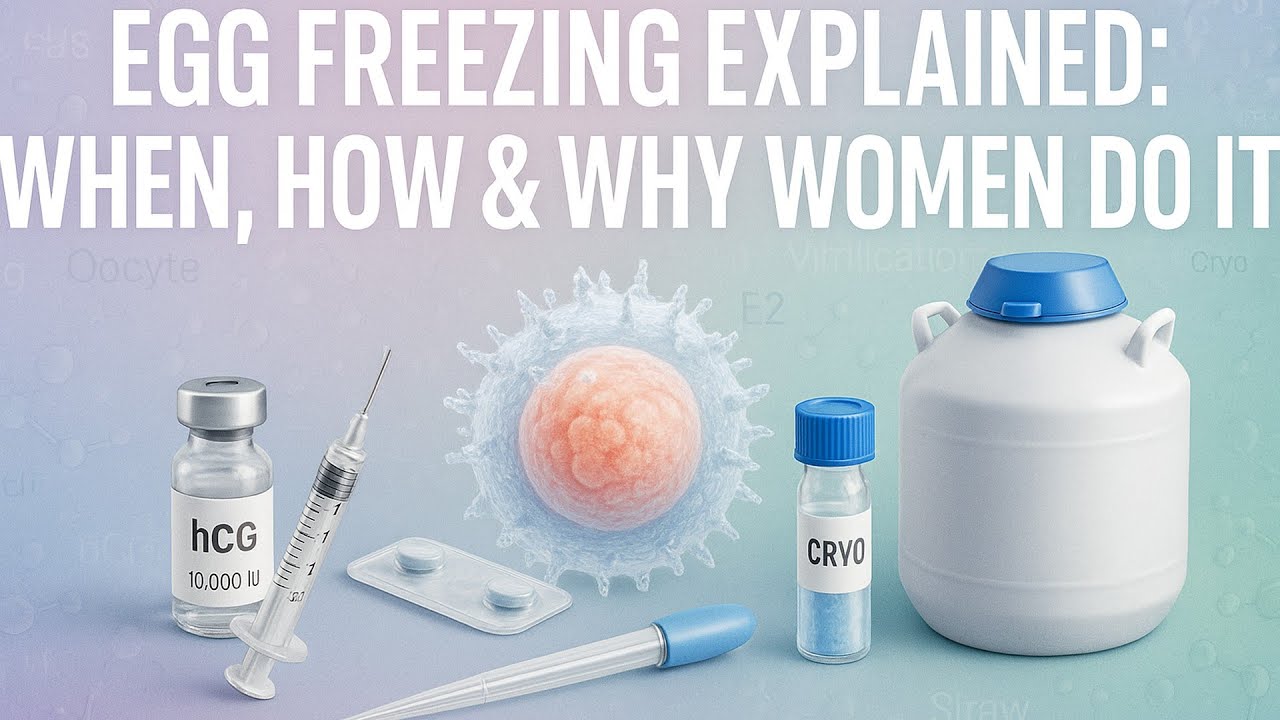
The process begins with a fertility assessment, including an AMH blood test and an ultrasound antral follicle count, to estimate how your ovaries are likely to respond to stimulation.
During a stimulation cycle of around 10–14 days, hormone injections encourage multiple eggs to mature, with regular monitoring to track follicle growth and adjust medication as needed.
Mature eggs are then retrieved in a short, sedated procedure and immediately vitrified — flash-frozen — by the embryology team, ready for long-term storage until you are ready to use them. Oocyte Cryopreservation (Egg freezing) in Qatar .

From assessment to secure long-term storage.
AMH testing and ovarian reserve check.
10–14 days of hormone therapy.
Short, sedated procedure.
Eggs frozen and securely stored.
Common questions about egg freezing.
Egg quality is generally higher before the mid-30s, so freezing earlier can improve future outcomes — but age is not the only factor, and Dr. Radhika Pentyala can advise based on your individual fertility assessment.
Eggs can typically remain viable for many years when stored correctly.
This depends on your age and ovarian reserve. Dr. Radhika Pentyala will discuss a target number based on your assessment and goals — sometimes requiring more than one retrieval cycle.
Most patients tolerate the stimulation injections and retrieval well, with retrieval performed under sedation to minimise discomfort.
Cost includes stimulation medication, the retrieval procedure and ongoing storage fees. A full breakdown is given at your consultation.
The cost varies depending on consultations, fertility tests, medications, egg retrieval, laboratory procedures, and storage. The overall cost depends on the individual's treatment plan and the services included.
Book a consultation with Dr. Radhika Pentyala today.
Book a Consultation